

Morgan Freeman AI Voice
The Morgan Freeman AI voice has become a popular search topic among content creators, video editors, filmmakers, and fans of artificial intelligence. Known for his distinctive, deep, warm, and expressive voice, Morgan Freeman has a unique ability to make a story feel meaningful. Whether he is narrating a documentary, delivering an emotional monologue, or playing a memorable character in a movie, his voice creates an atmosphere that audiences recognize immediately.
With the development of artificial intelligence, creators can now experiment with synthetic voices that offer a similar cinematic feeling. AI voice generators can transform written scripts into spoken audio, making it easier to produce documentary-style videos, storytelling content, educational presentations, and social media clips.
However, there is an important distinction between generating a voice with a deep, authoritative sound and cloning Morgan Freeman’s actual voice. A generic AI narration can use a similar broad vocal style without copying his personal vocal identity. A system that imitates his recognizable voice raises additional questions about consent, impersonation, intellectual property, and commercial use.
In this guide, we will explore what the Morgan Freeman AI voice means, how AI voice generators work, which features creators should look for, how to create cinematic narration, and what ethical considerations to understand before publishing AI-generated audio.
Whether you are a beginner exploring text-to-speech technology or an experienced video creator looking to improve your narration workflow, this article will help you understand the available options.
Table of Contents
What Is the Morgan Freeman AI Voice?
The term “Morgan Freeman AI voice” generally refers to AI-generated speech intended to reproduce or evoke the distinctive vocal qualities associated with the American actor and narrator Morgan Freeman.
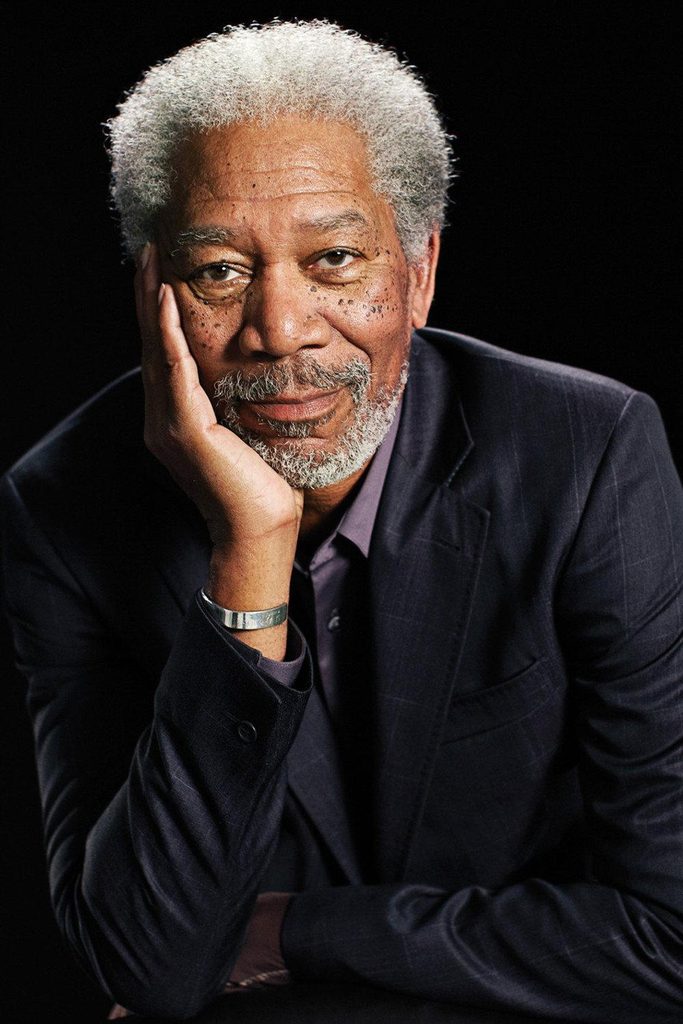
His voice is widely recognized for its rich tone, measured delivery, clear pronunciation, and expressive storytelling. These qualities have made him a familiar presence in movies, documentaries, and television productions.
The National Endowment for the Arts recognized Freeman for his outstanding work as an actor, director, and narrator. His extensive experience in film and narration has helped establish his voice as a recognizable part of popular culture.
AI voice technology attempts to recreate aspects of human speech using machine-learning models. Depending on the tool, these systems can generate natural-sounding speech from text, adjust vocal characteristics, and produce different emotional or conversational styles.
When someone searches for a Morgan Freeman AI voice, they may be looking for one of several things:
- An AI voice that sounds similar in tone to Morgan Freeman.
- A deep, warm, mature male voice for narration.
- A text-to-speech tool suitable for cinematic storytelling.
- A voice-cloning service that claims to reproduce his recognizable voice.
- A funny or entertaining voice effect for social media videos.
- A synthetic narrator for documentaries, educational content, or presentations.
These options are not interchangeable. A standard AI narrator can provide a deep, cinematic sound without being a replica of any particular person. Voice cloning, by contrast, attempts to reproduce a specific individual’s vocal identity.
For most creators, a professionally designed, non-impersonating narrator is a practical way to achieve a similar storytelling atmosphere while avoiding the risks associated with unauthorized voice replication.
Why Is Morgan Freeman’s Voice So Recognizable?
Morgan Freeman’s voice has become closely associated with storytelling, wisdom, authority, and emotional depth. Although individual listeners may describe it differently, several characteristics contribute to its recognizable sound.
1. Deep and Resonant Tone
One of the most noticeable qualities of Freeman’s voice is its rich, resonant character. A lower-pitched voice can create a sense of stability and presence, particularly when paired with clear diction and deliberate pacing.
For documentary narration, this combination can help listeners focus on the subject rather than becoming distracted by an overly energetic delivery.
AI voice generators offer a range of lower-pitched voices that can provide a comparable general atmosphere. However, lowering the pitch of an ordinary recording does not automatically reproduce Freeman’s distinctive vocal identity.
2. Calm and Measured Delivery
Freeman often delivers narration at a controlled pace. Rather than rushing through every sentence, he allows important words and ideas to stand out.
This approach works particularly well for documentaries, reflective storytelling, and educational content.
When creating AI narration, writers can achieve a similar sense of patience by using shorter sentences, natural pauses, and carefully placed punctuation.
3. Clear Pronunciation
Clear diction is another important part of effective narration. When a narrator pronounces words carefully, listeners can follow the story more easily.
AI speech systems have improved their ability to pronounce common words naturally, although names, technical terminology, and unfamiliar phrases may still require adjustments.
Creators should always review generated audio before publishing it.
4. Emotional Restraint
A memorable narration does not always need dramatic shouting or exaggerated emotion. Sometimes a quiet, thoughtful delivery communicates more than an energetic performance.
A cinematic AI voice should match the emotional needs of the script. A documentary about nature may benefit from a sense of wonder, while an educational video may require a more neutral and informative tone.
5. Storytelling Presence
Freeman’s voice is recognizable not only because of its sound but also because of the way it is used in storytelling.
A narrator’s effectiveness depends on timing, context, script quality, and interpretation. AI-generated audio can imitate certain broad delivery characteristics, but the final result still depends heavily on the words being spoken and how they are presented.
Also Read: Ai Voice Tools
How Does Morgan Freeman AI Voice Technology Work?
AI voice generators generally use machine-learning systems trained on speech data. These systems learn relationships between written language, pronunciation, vocal patterns, and audio signals.
When a user enters a script, a text-to-speech system processes the text and generates a corresponding audio recording.
Although the exact technology differs between providers, the process typically involves several stages.
Step 1: Text Processing
The system analyzes the written script, identifying words, sentence boundaries, punctuation, and other linguistic features.
Some platforms also interpret abbreviations, numbers, and formatting to determine how the text should be spoken.
A well-written script helps the AI understand the intended flow of the narration.
Step 2: Pronunciation and Language Modeling
The system determines how words should be pronounced. This stage is particularly important for names, foreign-language phrases, and specialized terminology.
Some tools allow users to enter phonetic spellings or customize pronunciation dictionaries.
For creators producing Nepali-English content, pronunciation testing is especially useful when a script contains local names, places, or words from multiple languages.
Step 3: Voice Selection
The user selects an available synthetic voice.
Depending on the platform, choices may include different pitches, accents, speaking styles, and vocal presentations.
A deep, mature narrator may provide a broad cinematic feeling associated with Morgan Freeman’s narration, without attempting to duplicate his exact voice.
Step 4: Speech Generation
The AI converts the processed text into audio.
Modern systems can generate speech with varying levels of naturalness, rhythm, and emotional expression. Some platforms also support controls for speaking speed, pauses, emphasis, and expressive delivery.
Step 5: Audio Editing
After generating the audio, creators can review it and make adjustments.
They may correct pronunciation, change the script, regenerate individual sentences, or combine the narration with music and sound effects.
The final quality depends on both the AI model and the editing process.
Best Types of AI Tools for Morgan Freeman-Style Narration
There is no single tool that every creator should use. The right option depends on the intended project, budget, language, and required level of voice customization.
Instead of choosing a tool solely because it advertises a famous voice, consider the type of narration you need.
1. AI Text-to-Speech Generators
Text-to-speech tools convert written content into spoken audio using available synthetic voices.
These platforms are useful for YouTube videos, online courses, explainer videos, presentations, and social media content.
When searching for a Morgan Freeman-style voice, look for a licensed, generic narrator with a deep tone, clear pronunciation, and a calm delivery.
Important features include:
- Natural-sounding speech.
- Adjustable speaking speed.
- Multiple voice options.
- Support for long scripts.
- Pronunciation controls.
- Audio export options.
- Clear commercial-use terms.
Text-to-speech tools are generally a straightforward starting point for beginners because they do not require recording your own voice.
2. AI Voice Cloning Platforms
Voice cloning systems attempt to create a synthetic voice that resembles a particular speaker.
Depending on the service, the process may use recordings supplied by the speaker or other authorized voice samples.
Some platforms provide instant voice cloning, while others require more extensive recordings and verification.
Voice cloning can be useful for a creator who wants to maintain a consistent voice across videos or produce narration without recording every script manually.
However, cloning a real person’s voice without permission can create ethical, legal, and reputational problems. A celebrity’s publicly available recordings should not automatically be treated as permission to create or distribute a synthetic replica.
Before using any voice-cloning service, check its consent requirements, identity verification procedures, and rules concerning public figures.
3. AI Voice Design Tools
Some platforms allow users to design a synthetic voice by describing its characteristics.
For example, a creator might request a mature male narrator with a warm tone, a measured pace, clear articulation, and a calm storytelling style.
This approach can be useful when the goal is to create a distinctive brand voice rather than imitate a specific actor.
Voice design features vary by platform. Some offer detailed controls, while others rely on written descriptions and preset voices.
4. AI Video Creation Platforms
AI video tools may combine text-to-speech, subtitles, stock footage, templates, and editing features.
These platforms can simplify the process of turning a script into a complete video.
For example, a creator could write a short documentary script, generate narration using a licensed voice, add relevant footage, and export the finished video.
If you are producing content regularly, an integrated workflow may save time compared with using several separate applications.
How to Create a Morgan Freeman-Inspired AI Narration
You can create a cinematic narration without cloning Morgan Freeman’s actual voice. The following workflow focuses on the general qualities of documentary storytelling.
Step 1: Choose Your Content Topic
Start with a clear subject.
Your video could cover nature, science, history, technology, personal development, or an inspirational story.
The topic determines the appropriate tone and pacing.
A wildlife documentary may require a sense of wonder, while a technology explainer should prioritize clarity and accuracy.
Step 2: Write a Narration-Friendly Script
Write as though someone will read the text aloud.
Avoid unnecessarily long sentences, complicated expressions, and excessive punctuation.
For example, instead of writing:
“The remarkable transformation of the natural environment demonstrates the complex relationship between numerous biological systems.”
You could write:
“Nature is constantly changing. Every living thing plays a part in a much larger story.”
The second version is easier to follow when spoken aloud.
Step 3: Select a Suitable Synthetic Voice
Explore the voice library of your chosen AI platform.
Look for a voice that is:
- Deep but easy to understand.
- Warm without sounding exaggerated.
- Calm and measured.
- Suitable for the subject.
- Licensed for your intended use.
Avoid assuming that every voice labeled “Morgan Freeman AI” is genuine, authorized, or affiliated with the actor.
A voice description based on general vocal qualities is more useful than a celebrity name alone.
Step 4: Adjust the Speaking Speed
A slightly slower delivery can help create a thoughtful, documentary-style atmosphere.
However, speech that is too slow may sound unnatural or become difficult to enjoy.
Generate a short sample and listen carefully. Adjust the speed until the narration sounds comfortable.
Step 5: Add Natural Pauses
Punctuation can influence how a text-to-speech system interprets a sentence.
Commas may create brief pauses, while periods establish stronger breaks.
Some tools provide explicit pause controls.
Use pauses to separate important ideas, introduce a new scene, or give the listener time to process information.
Step 6: Test Pronunciation
Listen for mispronounced names, unusual abbreviations, and technical words.
If the tool supports pronunciation editing, use it to correct problematic terms.
For multilingual scripts, test each language separately before generating the full narration.
Step 7: Add Background Music
Music can support the emotional atmosphere of a video.
Soft orchestral music, ambient soundscapes, and restrained cinematic themes can work well with documentary narration.
Keep the music quieter than the voice. The audience should never struggle to understand the spoken words.
Use music that you own, have licensed, or are otherwise authorized to include.
Step 8: Review and Export
Listen to the entire narration before publishing.
Check the volume, pacing, pronunciation, pauses, and overall consistency.
If a sentence sounds unnatural, revise the text and generate it again.
Export the audio in a format supported by your editing software, then combine it with your video.
Best Use Cases for Morgan Freeman-Style AI Voices
A deep, cinematic synthetic voice can work across several types of content.
YouTube Documentary Videos
Documentary-style narration is one of the most natural applications for a mature, measured AI voice.
Creators can use it for videos about animals, historical events, scientific discoveries, space exploration, and cultural topics.
The voice should complement the subject rather than distract from it.
Educational Videos
Educational creators can use AI narration to explain complicated ideas in a clear, approachable way.
A calm voice may be suitable for lessons, tutorials, and recorded presentations.
When producing educational content, prioritize accurate information and clear explanations over dramatic delivery.
Motivational Videos
Some creators use cinematic narration for motivational videos and reflective storytelling.
A warm, deliberate voice can help communicate themes such as perseverance, patience, personal growth, and overcoming challenges.
The script should remain original and avoid presenting fabricated quotations as statements made by Morgan Freeman.
Social Media Reels and Shorts
Short-form videos often rely on a compelling opening line.
AI narration can help creators produce consistent voiceovers for Instagram Reels, YouTube Shorts, TikTok videos, and other platforms.
Because these videos are brief, concise writing and strong pacing are particularly important.
Business Promotional Videos
Businesses can use synthetic narration in advertisements, product demonstrations, and company introductions.
A mature voice may suit a brand that wants to communicate reliability or professionalism.
Commercial creators should verify the voice license and ensure that the finished advertisement does not falsely suggest celebrity endorsement.
Podcasts and Audio Stories
AI-generated narration can support fictional stories, educational podcasts, and experimental audio projects.
For longer recordings, voice consistency is essential.
Listen for changes in tone, pronunciation, or pacing between generated sections.
Also Read:
- Zanus AI Automation Review 2026: Features, Pricing, Benefits & Alternatives
- Grammarly for Windows Download 2026: How to Install Grammarly on PC for Free
- 8 Best Free Grammarly Alternatives in 2026
- Grammarly Review 2026: Features, Pricing, Pros, Cons & Alternatives
- 6 Best Claude Alternatives in 2026 (Free & Paid AI Tools)
Can You Use a Free Morgan Freeman AI Voice Generator?
Some AI voice platforms provide free access, trial credits, or limited text-to-speech features.
However, free access does not necessarily mean that every voice, export format, or commercial use is included.
Before choosing a free generator, review the following details.
Character limits: Free plans may restrict how much text you can convert into speech.
Download options: Some platforms allow audio downloads, while others limit exports or add restrictions.
Voice selection: Premium voices may not be available on free plans.
Commercial licensing: A tool may permit personal experimentation but require a paid plan for commercial projects.
Watermarks: Some services add audible branding or other limitations to free exports.
Voice cloning: Custom voice creation may require a paid subscription, identity verification, or explicit consent from the speaker.
For a beginner, a free generic text-to-speech voice is often sufficient to test whether cinematic narration suits a project.
Always confirm the current terms on the provider’s official website before publishing or monetizing the audio.
Is Morgan Freeman AI Voice Legal?
The legality of AI-generated celebrity voices depends on the circumstances, the jurisdiction, the technology used, and how the audio is distributed.
There is no universal rule that makes every AI-generated voice imitation automatically legal or illegal.
Several issues may be relevant.
Right of Publicity and Voice Identity
Some jurisdictions recognize legal protections concerning a person’s name, likeness, voice, or commercial identity.
Using a recognizable celebrity voice in an advertisement could raise different issues from using a generic synthetic narrator in a private experiment.
The applicable rules vary by location.
Copyright and Training Data
Voice generation may involve recordings, scripts, music, or other copyrighted material.
Whether a particular use is permitted depends on the relevant law, licenses, and facts.
The availability of a recording online does not automatically grant permission to reuse it for AI training or voice cloning.
Deceptive Endorsements
A synthetic voice could mislead listeners into believing that a celebrity participated in or endorsed a product.
Creators should avoid presenting generated audio in a way that falsely implies an actual relationship with Morgan Freeman.
Platform Policies
Video platforms, advertising networks, and AI services may have rules concerning impersonation, synthetic media, and misleading content.
These requirements can change, so review the policies that apply to your project.
For commercial work, consider obtaining appropriate legal advice and using voices with clear licensing.
Morgan Freeman’s Position on AI Voice Cloning
Morgan Freeman has publicly objected to unauthorized attempts to imitate his voice using artificial intelligence.
In a 2025 interview with The Guardian, Freeman discussed AI imitation and expressed opposition to artificial actors and unauthorized replication of his voice. CBS News has also reported on his efforts to address AI systems that attempt to reproduce his distinctive voice.
These reports highlight an important distinction: the ability to generate a convincing synthetic voice does not establish permission to use a person’s identity.
For creators, this makes consent and transparency important considerations.
If you want a deep, authoritative narrator, choose a licensed voice that does not claim to be Morgan Freeman. If a project genuinely requires his voice, seek authorization through appropriate professional channels.
Ethical Considerations When Using AI Celebrity Voices
AI voice technology can make audio production more accessible, but it also creates challenges for performers and audiences.
Respect the Speaker’s Consent
A person’s voice is closely connected to their identity.
Before cloning an identifiable individual, confirm that you have the necessary permission and that the service permits the intended use.
Do not assume that a publicly available interview or movie clip can be used as a voice-cloning dataset.
Be Transparent With Your Audience
If synthetic narration could reasonably be mistaken for a real celebrity recording, clearly explain that it is AI-generated.
Transparency is especially important for news, educational content, advertisements, and videos involving real people.
Avoid Fake Statements
Do not use AI-generated audio to make it appear that Morgan Freeman said something he never said.
This includes fabricated endorsements, fake interviews, misleading quotations, and false personal messages.
If you are creating fictional entertainment, make the fictional nature of the content clear.
Respect Commercial Rights
Monetizing a video that imitates a celebrity may create additional legal and platform risks.
Use a properly licensed synthetic voice and avoid suggesting that the celebrity endorses your content.
Protect Your Own Voice
Creators who build their own AI voice should also understand how their recordings will be stored, processed, and used.
Review data retention policies, deletion options, consent requirements, and restrictions on third-party use.
How to Make AI Narration Sound More Natural
Even a sophisticated AI voice can sound artificial when the script is poorly written or the audio is not edited carefully.
Here are practical ways to improve the result.
Write for Listening, Not Reading
Spoken language often works better when sentences are short and direct.
Read your script aloud before generating the audio.
If a sentence feels difficult to say naturally, rewrite it.
Avoid Excessive Drama
A cinematic voice does not need to sound serious in every sentence.
Use a natural conversational tone when explaining information, and reserve more dramatic delivery for moments that genuinely need emphasis.
Control Pacing
Vary the rhythm of the script.
Short sentences can create impact. Longer sentences can provide context and detail.
A consistent pace is useful, but an entirely uniform delivery may sound mechanical.
Use High-Quality Audio Settings
If your tool offers different export settings, choose a format appropriate for your production workflow.
Avoid repeatedly compressing the same audio file, as this can reduce quality.
Balance Voice and Music
Keep the narration clear and intelligible.
Background music should support the voice rather than compete with it.
Edit Awkward Transitions
When combining separate generated clips, listen for unnatural gaps, abrupt changes in volume, or inconsistent pacing.
Small editing adjustments can make the finished recording feel more cohesive.
Common Mistakes to Avoid
Creators exploring Morgan Freeman AI voice generators should watch out for several common mistakes.
Using unauthorized celebrity clones: A voice that sounds convincing is not necessarily authorized.
Choosing a voice based only on pitch: A deep voice alone does not guarantee natural narration or a similar storytelling effect.
Ignoring pronunciation: Incorrect names and technical terms can undermine an otherwise polished video.
Writing overly long sentences: Complex text may lead to awkward pauses or unnatural delivery.
Using copyrighted recordings without permission: Public availability does not automatically grant reuse rights.
Forgetting commercial licensing: Personal-use permission may not cover advertisements or monetized videos.
Failing to disclose synthetic audio: Audiences should not be misled into believing that a real person recorded something they did not.
Publishing without reviewing: Always listen to the final recording before releasing it.
Avoiding these mistakes can help creators produce professional narration while respecting the people whose voices inspire the technology.
The Future of AI Voice Generation
AI voice generation continues to develop, with improvements in naturalness, pronunciation, multilingual support, and expressive control.
Future systems may offer more detailed control over pacing, emotional tone, and conversational delivery.
These capabilities could make it easier for independent creators to produce documentaries, audio lessons, promotional videos, and podcasts without maintaining a traditional recording studio.
Multilingual speech generation may also create new opportunities for creators who work across languages.
For example, a creator could produce an educational video in English and then develop a Nepali version using a suitable Nepali synthetic voice.
However, more realistic voice generation also increases the importance of consent, identity protection, and transparency.
The future of this technology will depend not only on how realistic AI voices become but also on how responsibly they are developed and used.
Conclusion
The Morgan Freeman AI voice is an interesting example of how artificial intelligence is changing narration, video production, and digital storytelling.
His distinctive voice has played an important role in films, documentaries, and television. Its combination of a rich tone, measured delivery, and expressive storytelling has made it recognizable to audiences around the world.
AI voice generators allow creators to experiment with similar broad vocal qualities and produce narration for documentaries, YouTube videos, educational content, advertisements, and podcasts.
The key is to distinguish between creating a cinematic voice and copying a real person’s identity. A generic AI narrator can provide the depth and warmth many creators want without pretending to be Morgan Freeman.
When choosing a tool, consider voice quality, pronunciation, editing controls, language support, pricing, and commercial licensing. Most importantly, respect consent and avoid misleading audiences about who is speaking.
With a well-written script, an appropriate synthetic voice, and careful audio editing, creators can produce engaging narration while using AI technology responsibly.
For beginners, the simplest starting point is to test a licensed text-to-speech tool with a short script. Experiment with pacing, pauses, and vocal tone until you find a sound that fits your content.
The result can be professional, cinematic narration that supports your story without relying on an unauthorized celebrity voice clone.
Final takeaway: You do not need to duplicate Morgan Freeman’s actual voice to create powerful narration. A carefully selected AI voice, a compelling script, and thoughtful editing can help bring your story to life.
Frequently Asked Questions About Morgan Freeman AI Voice
What is Morgan Freeman AI voice?
Morgan Freeman AI voice is a term used for synthetic audio that attempts to reproduce or evoke the actor’s distinctive narration style. It can refer to general voice imitation, celebrity voice cloning, or a deep AI-generated narrator.
Can I generate a voice similar to Morgan Freeman?
You can use AI text-to-speech tools to create narration with broad characteristics such as a deep tone, calm delivery, and clear pronunciation. Use a properly licensed voice and avoid unauthorized replication of his identifiable voice.
Is there a free Morgan Freeman AI voice generator?
Some services offer free text-to-speech features or trial credits. Availability, voice options, export limits, and commercial permissions vary. A free generic narrator is different from an authorized Morgan Freeman voice model.
Can I use Morgan Freeman AI voice for YouTube videos?
You can use an appropriately licensed synthetic narrator for YouTube content, subject to the tool’s terms and YouTube’s applicable policies. Using a celebrity clone without authorization or implying a false endorsement may create legal and platform issues.
Can I use an AI-generated Morgan Freeman voice commercially?
Commercial use depends on the voice provider’s license, the nature of the imitation, applicable laws, and the context in which the audio is used. Review the relevant terms and obtain permission where required.
Is Morgan Freeman AI voice the same as text-to-speech?
Not necessarily. Text-to-speech converts written text into spoken audio. A system marketed as a Morgan Freeman AI voice may use text-to-speech technology, voice cloning, or another form of voice synthesis.
How can I make AI narration sound cinematic?
Choose a suitable narrator, write conversational sentences, use deliberate pacing, add natural pauses, and balance the voice with appropriate background music. Review the complete audio before publishing.
Can AI generate Morgan Freeman’s voice in different languages?
Some AI voice systems support multilingual speech or voice cloning, but language availability and quality vary. Reproducing a specific person’s voice in another language raises the same consent and identity concerns as reproducing it in English.
Is AI voice cloning safe?
AI voice cloning can be used responsibly when consent, privacy, licensing, and transparency are respected. Risks increase when voices are cloned without permission or used to mislead people.
What is the best alternative to a Morgan Freeman AI voice?
A licensed, deep, warm, and clearly articulated synthetic narrator is a practical alternative. Choose a voice based on the needs of your project rather than relying on an unauthorized celebrity imitation.


1 Comment